
Botanical Extract
& Health Blog
Latest research, market trends, and sourcing guides for nutraceutical and botanical ingredients.
Explore Products
Nutraceutical
Knowledge Base
Expert articles on standardized extracts, functional mushrooms, and synthetic active ingredients.
View Certifications
Global Sourcing
& Market Trends
Stay updated with regional warehouse inventory, FDA compliance, and B2B market updates.
Learn More10 Tips to Buy Noni Fruit Extract Powder?
Table of Contents
- Understanding Noni Fruit Extract Powder and Its Common Uses
- Checking Source, Processing Method, and Extract Quality
- Comparing Active Compounds, Purity, and Product Specifications
- Evaluating Safety Information, Certifications, and Shelf Life
- Choosing Reliable Suppliers, Pricing, Packaging, and Storage Options
- FAQS
- Conclusion
- Related Posts
Buying Noni Fruit Extract Powder can seem simple until labels, testing, and sourcing details enter the picture. A bright package does not prove quality. Neither does a high percentage printed in bold. Dr. Ralph Heinicke, a biochemist associated with early noni research, cautioned, “Noni should be judged by evidence, not by enthusiasm.” That principle still matters when comparing modern suppliers.
This guide presents ten practical tips for making a more informed purchase. Check the botanical name, plant part, extraction method, and country of origin. Morinda citrifolia should be clearly identified. The powder should also have a consistent color, mild earthy aroma, and no visible clumps from moisture. Small details matter.
Ask for a current certificate of analysis. It should cover identity, active-marker testing, heavy metals, pesticides, microbes, and moisture. A trustworthy supplier should explain its laboratory methods without hesitation. Look for batch numbers and traceable production records. Vague answers deserve caution.
Consider whether the product contains carriers, sweeteners, artificial colors, or undisclosed fillers. “Pure” can mean different things. Read the complete ingredient panel. Review storage instructions, packaging quality, and realistic serving guidance. Do not treat marketing claims as medical advice.
Some uncertainty remains. Research on noni is still developing, and traditional use does not prove every advertised benefit. That is easy to forget. Choose transparent evidence over dramatic promises, and discuss regular use with a qualified healthcare professional, especially when taking medication or managing a health condition.
Understanding Noni Fruit Extract Powder and Its Common Uses
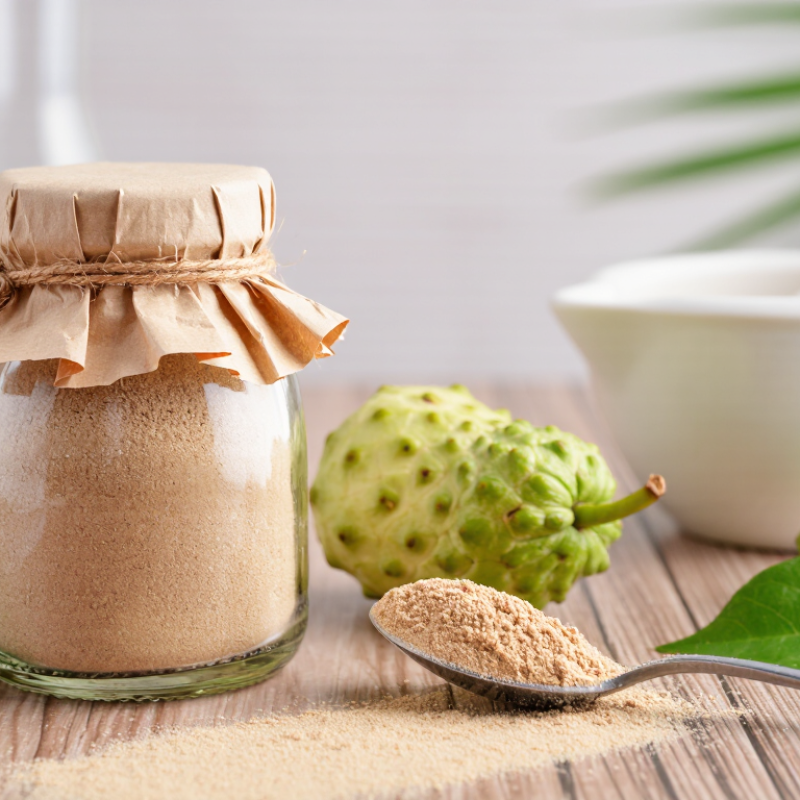
Noni fruit extract powder comes from Morinda citrifolia, a tropical fruit traditionally used in drinks and food preparations. Its flavor can be sharp, earthy, and slightly bitter. Many people add a small amount to smoothies, warm water, yogurt, or homemade blends. These uses are practical, but they are not proven treatments for disease. Evidence about specific health benefits remains limited, so careful wording matters.
Tip: Check the botanical name, extraction ratio, and ingredient list. A reliable label should state the fruit part used and the serving size. Look for a current certificate of analysis showing tests for heavy metals, microbes, pesticides, and moisture. Third-party testing is helpful, though it does not guarantee perfect quality. I would also inspect the powder’s color and smell after opening. An unusually damp texture suggests poor storage or a damaged seal.
Tip: Buy only what you can use before the best-before date. Choose opaque, tightly sealed packaging, especially in humid climates. Follow the listed serving guidance instead of assuming more is better. People taking medication, managing liver or kidney conditions, or expecting a baby should seek professional advice first. Regulations differ between countries, and some products may not suit local food rules. I might still compare several laboratory reports before buying; a polished label alone is not enough.
10 Tips to Buy Noni Fruit Extract Powder
A practical checklist for evaluating noni fruit extract powder before purchase. The chart presents ten key quality and safety checks rather than company or brand data.
When buying noni fruit extract powder, review botanical identity, extraction information, standardization, ingredient transparency, batch testing, contaminant screening, moisture protection, storage instructions, serving guidance, and regulatory labeling. Noni products can vary substantially depending on the fruit source and processing method.
Checking Source, Processing Method, and Extract Quality
Tip 1: Check the source before checking the price. Noni should be identified as Morinda citrifolia, with the fruit part clearly stated. Ask for the growing region, harvest season, and traceability records. The 2023 HerbalGram Herb Market Report valued U.S. herbal supplement sales above 13 billion dollars, showing strong demand but not automatic quality. Popular ingredients can still have weak documentation.
Tip 2: Examine the processing method. Freeze-drying may protect heat-sensitive compounds, while spray-drying can improve powder flow but may require carriers. Request the extraction solvent, extract ratio, carrier percentage, and drying temperature. “100:1 extract” sounds impressive. It can also confuse buyers if the calculation is unexplained. I would treat unclear ratios as a warning, not a benefit.
Tip 3: Read a batch-specific certificate of analysis. It should confirm botanical identity, moisture, microbial limits, heavy metals, pesticides, and marker compounds. Methods should reference recognized laboratory procedures, such as AOAC or validated HPLC testing. One clean report is useful, but it is not the whole story. Check the batch number and test date against the package.
Tip 4: Compare the powder’s color, aroma, and texture with its specification. A dull brown powder may reflect oxidation, although appearance alone proves little. Look for sealed packaging and storage instructions. The World Health Organization’s quality guidance emphasizes identity, purity, and contamination control for herbal materials. Ask questions. Reliable suppliers should answer with documents, not confident adjectives.
Comparing Active Compounds, Purity, and Product Specifications
Tip 1: Identify the botanical source. Confirm the plant species, fruit maturity, and growing region. Noni powder can vary noticeably between harvests.
Tip 2: Compare active compounds, not just marketing language. Ask for measured levels of iridoids, phenolic compounds, or other declared markers. A higher number is not automatically better.
Tip 3: Check whether testing used a recognized laboratory method. Vague phrases such as “rich in nutrients” provide little useful evidence.
Tip 4: Review the certificate of analysis for each batch. It should show identity, active-compound results, moisture, microbial counts, and heavy-metal limits.
Tip 5: Examine purity carefully. The ingredient list should clearly state whether the powder is pure noni fruit or blended with carriers, sweeteners, or fillers.
Tip 6: Check the extraction process. Water, ethanol, and other approved methods can produce different compound profiles. The process should be explained, not hidden behind “advanced technology.”
Tip 7: Look for batch numbers, production dates, and storage instructions. These details make traceability possible.
Tip 8: Compare product specifications consistently. Note particle size, moisture content, packaging, serving size, and net weight.
Tip 9: Consider packaging quality. A sealed, light-resistant container helps protect sensitive compounds from moisture and oxidation.
Tip 10: Be cautious with dramatic health claims. My own purchasing mistake was focusing on an impressive active-compound figure while ignoring incomplete microbial testing. Independent verification matters more than attractive wording. If laboratory documents are unavailable, the product may not be suitable for serious evaluation.
Evaluating Safety Information, Certifications, and Shelf Life
10 Tips to Buy Noni Fruit Extract Powder?
Safety information deserves more attention than a bright package. The European Food Safety Authority’s 2006 assessment found no clear genotoxicity signal in available noni data, but human evidence remained limited. That limitation matters. Check whether the supplier lists botanical identity, extraction method, dosage guidance, allergens, and possible liver-related warnings. People using prescription medicines, or managing liver disease, should ask a qualified clinician before use. Avoid products promising to cure illness.
Look for batch-specific certificates of analysis, not generic laboratory claims. A useful COA should show botanical identification, microbial testing, heavy metals, pesticides, and active-marker results. Independent testing aligned with USP quality expectations is more convincing than a logo alone. Certifications such as GMP, HACCP, or ISO 22000 can support process control, but they do not prove every batch is pure. Verify the certificate number and laboratory details.
Shelf life needs evidence. ICH Q1A(R2) stability guidance emphasizes testing under defined temperature and humidity conditions. Ask for real-time or accelerated stability data, plus the manufacture date and storage instructions. The powder should arrive in a sealed, moisture-resistant container. After opening, use a dry spoon and watch for clumping, sour odors, or color changes. I would still hesitate when a seller gives only a best-before date. Dates without testing are weak evidence.
Choosing Reliable Suppliers, Pricing, Packaging, and Storage Options
10 Tips to Buy Noni Fruit Extract Powder
A reliable supplier should provide the botanical name, country of origin, and batch traceability. Ask for a current certificate of analysis, including identity, moisture, microbial limits, heavy metals, and pesticide screening. Request a small sample before placing a large order. Check whether the supplier explains its testing process clearly. Vague answers are a warning sign. Production dates and shelf-life details should appear on every batch document. A factory video or audit record can add confidence, although neither proves everything.
Compare total landed cost, not only the quoted price. Freight, customs, testing, minimum order quantity, and storage can change the final figure. Extremely cheap powder may indicate weak testing or old inventory. Confirm payment terms and replacement procedures for damaged goods.
Packaging should block moisture, light, and oxygen. Food-grade, foil-lined bags inside sealed cartons work well for smaller orders. Drums may suit bulk purchasing. Each package should show the lot number, net weight, manufacturing date, and tamper evidence.
Store the powder in a cool, dry, dark room. Reseal the inner bag immediately after sampling. Keep it away from steam, cleaning chemicals, and strong odors. Use clean, dry scoops. Clumping, color changes, or an unusual smell deserve investigation. A desiccant may help, but it cannot repair poor packaging. Use older batches first and record opening dates.
I would not accept a perfect color as proof of quality. That assumption is easy, but incomplete.
FAQS
It is made from the tropical fruit Morinda citrifolia. The flavor may taste sharp, earthy, and slightly bitter. People add small amounts to smoothies, yogurt, or warm water. It is not a proven treatment for disease.
Confirm the botanical name, fruit part, maturity, and growing region. Harvest conditions can change the powder’s color and compound levels. The label should also show the extraction ratio and serving size. A vague label deserves caution.
Look for batch-specific testing. The report should cover identity, moisture, microbes, heavy metals, pesticides, and active markers. Check the laboratory details and certificate number. A polished logo proves little by itself.
Compare measured iridoids, phenolic compounds, or other declared markers. Use the same testing method across products. A higher number is not automatically better. Marketing words are weak evidence.
Read the full ingredient list carefully. It should state whether the powder is pure fruit or a blend. Check for carriers, sweeteners, fillers, or undeclared ingredients. “Advanced technology” is not enough.
Choose tightly sealed, moisture-resistant, light-resistant packaging. Store the powder in a cool, dry place. Use a dry spoon after opening. Watch for clumps, sour smells, or color changes.
People taking medication should ask a qualified clinician first. The same applies to people with liver or kidney conditions. Pregnant people should also seek advice. More powder is not necessarily better.
Check the manufacture date, best-before date, and storage instructions. Ask whether stability testing used controlled temperature and humidity. Buy only what you can use in time. A date alone is weak evidence.
Be careful when testing documents are missing or incomplete. Avoid dramatic claims about curing illness. Reject damaged seals, damp texture, or unusual odors. I might still hesitate after seeing attractive packaging.
Conclusion
Buying Noni Fruit Extract Powder requires more than comparing prices. Start by understanding its common uses and deciding whether you need it for food, beverages, supplements, or other applications. Review the fruit’s source, extraction method, and processing conditions, since these factors can affect flavor, color, solubility, and overall quality. Compare product specifications carefully, including active compounds, purity levels, moisture content, particle size, and testing standards. Clear documentation can help you judge whether the powder matches your intended use.
Safety and reliability should also guide your decision. Look for accessible safety information, batch testing, appropriate certifications, manufacturing details, and a clearly stated shelf life. Choose suppliers that communicate consistently and provide transparent product documents. When comparing pricing, consider the concentration, serving yield, packaging quality, and shipping conditions rather than focusing only on the lowest cost. Finally, confirm that the packaging protects the powder from moisture, heat, light, and contamination, and follow the recommended storage instructions after purchase.
Blog Tags: