In 2026, sourcing Olea Europaea Extract in bulk requires more than comparing prices. Buyers must connect botanical identity, harvest conditions, extraction technology, and batch-level evidence. The market is growing, but its terminology remains inconsistent. “Olive leaf extract,” “olive fruit extract,” and “olive oil polyphenols” are not interchangeable materials.
Grand View Research’s Botanical Extracts Market Report identifies rising demand for plant-based active ingredients in cosmetics, food supplements, and functional products. Reports from the International Olive Council also show how strongly olive supply depends on seasonal yields, regional climate, and processing capacity. These factors can change extract availability within months. Forecasts are useful, but they are not purchasing guarantees.
Dr. Selina Wang, an olive-oil researcher at the University of California, Davis, emphasizes a practical principle: “Quality begins with sound fruit and controlled processing.” That principle also applies to Olea Europaea Extract. A reliable supplier should provide the plant part, extraction solvent, country of origin, harvest date, carrier details, and a current certificate of analysis. HPLC or LC-MS data may help verify oleuropein, hydroxytyrosol, or related markers. Microbial, heavy-metal, pesticide, and residual-solvent testing remain essential.
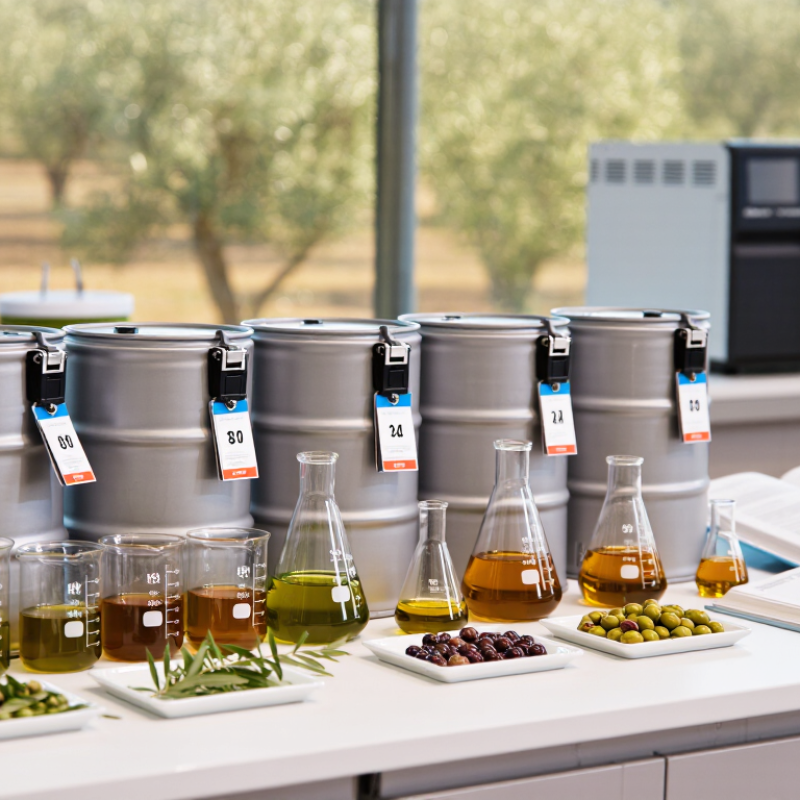
Small details matter. A sealed 25-kilogram drum should carry a traceable lot number, not only a glossy label. Yet even a complete COA can leave questions unanswered. Supplier audits, retained samples, stability data, and transparent communication reduce that uncertainty. The strongest sourcing process is not perfect. It is documented, repeatable, and willing to challenge attractive claims.
What Is Olea Europaea Extract and Where Is It Used?
Olea europaea extract comes from the olive tree’s fruit, leaves, seeds, or by-products. Its composition changes with the plant part and extraction method. Leaf extracts often contain oleuropein, while fruit-derived materials may provide phenolics, fatty acids, or squalene. These are not interchangeable ingredients.
Cosmetic formulators use the extract in facial creams, serums, cleansers, shampoos, and scalp products. It can support antioxidant positioning and skin-conditioning claims when evidence and local regulations allow. Some food and supplement applications also use standardized olive polyphenols. However, “olive extract” alone says too little. A buyer needs the botanical part, solvent, carrier, assay method, and concentration.
The European personal care market reached about €104 billion in 2023, according to Cosmetics Europe’s 2024 market data. This demand encourages more plant-based formulations. The International Olive Council’s 2024 market update placed global olive-oil production near 2.5 million tonnes for the 2023/24 season. That supply supports sourcing, but it does not guarantee extract quality. Olive oil volume is not extract volume.
For bulk purchasing, request a recent certificate of analysis, pesticide screening, heavy-metal results, microbiological limits, and stability data. Check whether the extract is water-soluble or oil-dispersible. Confirm packaging protects it from heat, oxygen, and light. A low price may reflect weaker standardization. That assumption needs testing. Suppliers should also document origin, harvest period, batch traceability, and non-adulteration controls.
Which Extract Type and Specifications Should You Select?
When sourcing Olea europaea extract in bulk, select the botanical part before comparing prices.
Leaf extract often suits formulas seeking oleuropein-rich polyphenols. Fruit extract may provide a different phenolic profile and sensory character. Olive oil extract, including unsaponifiable fractions, behaves differently in oil-based products. They are not interchangeable.
Define the marker compound and concentration clearly.
A specification might state oleuropein at 20%, total polyphenols by a named test method, or a defined extract ratio. Ask whether the percentage is guaranteed at manufacture or through expiry. This detail matters. Request the botanical name, plant part, extraction solvent, carrier, appearance, odor, and solubility. A pale powder can still vary in strength. Review the certificate of analysis, residual solvent results, heavy-metal limits, microbial testing, pesticide screening, and batch traceability. Confirm the material remains stable under your expected heat, light, and humidity conditions.
For bulk purchasing, request pilot samples from more than one production lot.
Compare dissolution, color shift, odor, and marker results in your actual base. I have found that a high assay does not always mean better processing performance. That is easy to overlook. Set practical acceptance limits, packaging requirements, minimum shelf life, and retest procedures before signing a supply agreement. Ask for technical evidence supporting intended cosmetic or food use, then verify all claims and requirements with qualified regulatory professionals in each target market.
How to Identify and Evaluate Reliable Bulk Suppliers
Sourcing Olea europaea extract in bulk starts with supplier evidence, not a polished website. Ask for the botanical name, plant part, extraction method, solvent details, and marker-compound range. A recent certificate of analysis should match the exact lot offered. Check identity testing, moisture, microbial limits, heavy metals, pesticides, and residual solvents. Numbers matter more than confident language.
Request a representative sample before discussing a large purchase. Compare its color, odor, dispersibility, and assay with the specification. For liquid extracts, inspect viscosity and sediment after storage. For powders, check bulk density and caking after opening the inner bag. Keep retained samples from every approved lot. This habit can expose changes that paperwork misses.
Reliable suppliers can explain where the olives were grown and how each batch is traced. Ask about harvest timing, storage conditions, production capacity, minimum order quantity, and realistic lead times. Review their quality system and request an audit when appropriate. A clear response is useful. A defensive response is data, too. Do not accept one successful sample as proof of consistency. Test multiple lots, confirm stability under your intended temperature, and verify documents before payment. Independent laboratory testing may be worthwhile for high-volume orders. Yet no checklist is perfect. A supplier may meet today’s assay and still struggle next season. Define rejection criteria and require written change notifications.
2026 How to Source Olea Europaea Extract in Bulk?
This chart shows the number of verification points in a practical pre-qualification checklist for evaluating bulk Olea europaea extract suppliers. The checklist covers botanical identity, quality specifications, safety testing, traceability, compliance, and commercial conditions.
The figures represent checklist verification points rather than supplier performance or market-share data. Always confirm current specifications, certificates, and test results for each production lot.
What Quality, Safety, and Regulatory Documents Are Required?
For bulk Olea europaea extract, documentation should match the intended use, not merely the supplier’s catalogue description. The International Olive Council’s 2023/24 market data shows continuing volatility in olive production and pricing. This makes origin and batch traceability especially important. Request the botanical name, plant part, extraction solvent, extract ratio, country of origin, lot number, and harvest date. A clear certificate of analysis should report identity, marker compounds, moisture, microbial limits, heavy metals, pesticide residues, and residual solvents.
Safety evidence must be practical. Ask for stability data, allergen declarations, SDS files, and contaminant testing from an ISO/IEC 17025-accredited laboratory. For cosmetic applications, check the ingredient’s INCI designation and support for the Product Information File and Cosmetic Product Safety Report under EU Regulation 1223/2009. ISO 16128 may help substantiate natural-origin claims, but it does not replace safety assessment. For food or supplements, verify HACCP or ISO 22000 controls and applicable cGMP compliance, such as 21 CFR Part 111 in the United States.
A supplier’s certificate alone is not enough. Review the test method and acceptance limits. HPLC data can confirm phenolic markers more reliably than vague “polyphenol-rich” language. Batch consistency still deserves skepticism. Some buyers overlook seasonal variation. That is a costly mistake. A qualified technical review should compare three recent lots before approving a bulk contract.
How to Compare Quotes, Order Samples, and Manage Bulk Delivery
Sourcing Olea europaea extract in bulk starts with making quotations comparable. Ask each supplier to state the plant part, extraction method, carrier, active marker, and specification. Leaf extract standardized for oleuropein is not equal to fruit extract. Compare prices by active-content kilogram, not only by product weight. Include minimum order quantity, packaging, payment terms, production lead time, and agreed delivery terms.
Order samples from shortlisted suppliers before approving a large purchase. Request a current certificate of analysis, batch number, identity testing, assay results, microbiological limits, heavy-metal results, and residual-solvent information where relevant. Check the powder’s color, odor, flow, and dispersibility under your actual formulation conditions. A small retained sample can support later comparisons. Do not judge quality from appearance alone.
Bulk delivery needs a written plan. Confirm pallet configuration, inner-bag material, labeling, shelf life, storage temperature, and lot traceability. Ask how temperature or humidity excursions are handled during transit. Keep inspection rights in the purchase agreement. A low quote can hide weak documentation or costly delays. I would also compare two delivery scenarios, because the cheapest freight option may create production risk. My own review would remain open to correction; supplier claims should be verified against independent testing when the application is sensitive. Small details matter.
FAQS
It is derived from olive fruit, leaves, seeds, or processing by-products. Its composition depends on the plant part and extraction method. They are different.
Leaf extracts often contain oleuropein-rich polyphenols. Fruit extracts may provide phenolics, fatty acids, or squalene. Oil-based fractions behave differently.
It appears in creams, serums, cleansers, shampoos, and scalp products. Some food and supplement formulas also use standardized olive polyphenols.
No. Leaf, fruit, seed, and oil extracts have different chemistry and performance. Do not compare them by name alone.
Request the botanical part, extraction solvent, carrier, assay method, and concentration. Also check solubility, appearance, odor, and extract ratio. Details matter.
Ask for a recent certificate of analysis, pesticide screening, heavy-metal results, and microbiological limits. Request stability data and batch traceability too.
Request pilot samples from multiple production lots. Test dissolution, color change, odor, and marker levels in your actual formula. Test it.
Packaging should reduce exposure to heat, oxygen, and light. Confirm shelf life, retest procedures, and stability under expected humidity. A cool, dark place helps.
Not always. A high marker level may still process poorly in your formula. I once treated assay strength as the whole answer. That was too simple.
Not necessarily. It may reflect weaker standardization, shorter shelf life, or limited testing. Compare evidence, not only the quotation. Then verify market claims with qualified professionals.
Conclusion
Sourcing Olea Europaea Extract in bulk requires a clear understanding of its applications, available extract types, and required specifications. Depending on the intended use, buyers should evaluate factors such as the plant part used, extraction method, concentration, active-compound profile, solubility, appearance, and storage requirements. Defining these criteria before contacting suppliers helps prevent unsuitable quotations and supports consistent product performance.
Reliable bulk sourcing also depends on careful supplier evaluation. Buyers should review manufacturing capabilities, quality systems, traceability, testing procedures, and relevant safety and regulatory documentation, including specifications, certificates of analysis, allergen statements, contaminant testing, and stability information where applicable. Comparing quotations should include more than price; minimum order quantity, lead time, packaging, payment terms, sample results, and delivery conditions are equally important. Ordering representative samples, confirming test methods, and establishing clear inspection and logistics procedures can help ensure a smooth transition from initial evaluation to repeat bulk purchasing.