
0%

Choosing a reliable N-Acetyl-L-Cysteine Powder supplier takes more than comparing prices. A bright product photo proves little. Buyers need evidence behind each batch: a clear specification, a recent certificate of analysis, and test methods that identify the material and measure its purity. Packaging matters, too. Moisture-resistant liners, sealed drums, and readable lot codes help protect product integrity during storage and handling.

Toxicologist Hartmut Jaeschke has published research on N-acetylcysteine in the treatment of acetaminophen toxicity. A fair takeaway from that work is that context matters: research on a substance does not validate every supplier claim. This is a paraphrase, not a verbatim quotation. For procurement teams, the same care means checking whether certificates match the actual lot, whether independent testing is available, and whether the supplier can explain its sampling and storage practices. Ask direct questions. Keep the records.

This guide reviews seven suppliers to help buyers compare documentation, manufacturing transparency, packaging, and service in 2026. Availability and specifications can change, so confirm details with each supplier before ordering. A polished website is not enough. Neither is a low price. The strongest choice is the one that can support its claims with current, traceable records—and answer reasonable questions without vague assurances.
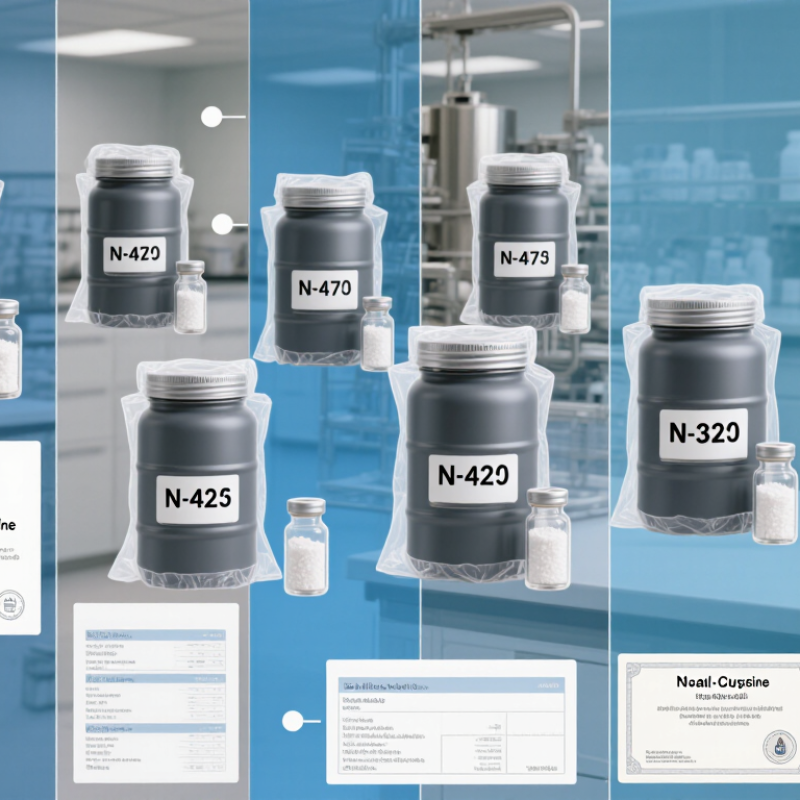
7 Best N Acetyl L Cysteine Powder Suppliers in 2026

What N-Acetyl L-Cysteine Powder Is and How It Is Used

N-acetyl-L-cysteine, often shortened to NAC, is a modified form of the amino acid cysteine. In the body, cysteine helps support production of glutathione, an antioxidant involved in normal cellular processes. NAC powder is a raw ingredient that may be used in some dietary supplements or medicines; the powder itself is not automatically a finished product. Not a cure.

Its best-known medical use is as a mucus-thinning medicine in certain settings. Other uses depend on the product, the person, and professional guidance. Evidence and approved uses can vary, so it is unwise to treat online claims as a personal treatment plan. If you take prescription medicines, have asthma, or are pregnant, ask a qualified healthcare professional before using NAC. That matters.

Powder handling deserves care. NAC can have a noticeable sulfur-like odor, which is not, by itself, proof of poor quality. A scoop may also measure inconsistently, so follow the product’s directions rather than guessing. For ingredient evaluation, check whether testing covers identity, purity, microbes, and heavy metals, and whether the paperwork matches the specific batch. A certificate is useful, but it is not a substitute for verified testing. Some details remain easy to overlook. For example, a bulk powder may not be intended for direct consumption, even when its label sounds reassuring.

How the Seven Suppliers Were Evaluated for 2026

The seven suppliers were assessed with the same scorecard, not judged by price alone. Each was asked for a current, lot-specific certificate of analysis showing identity and purity results. Evaluators also checked whether testing methods and laboratory details were clearly stated. A polished document is not proof by itself. Details matter.

Manufacturing controls, batch traceability, and packaging were reviewed alongside sample availability and delivery consistency. Clear answers about storage conditions and shelf-life documentation counted in a supplier’s favor. So did practical communication: could staff explain a test result without making unsupported claims? Not just price. Quotes were compared for minimum order size, lead time, and how costs changed with volume.

The scoring also considered whether quality documents were easy to verify and matched the offered material. Evaluators noted gaps rather than filling them with assumptions. A missing test report lowered confidence, even when other information looked strong. That is imperfect. Supplier responses can differ by day, and communication scores involve judgment. For that reason, the comparison favors evidence that can be checked over persuasive wording, while recognizing that a single review cannot guarantee future batch consistency.

Profiles of Seven Notable N-Acetyl L-Cysteine Powder Suppliers

The first supplier profile is a large-scale manufacturer with consistent batch documentation and reliable production capacity. Its certificates of analysis should identify assay results, moisture, and relevant contaminant testing. A second type is a specialist powder producer, often better suited to discussing particle size, flow, and packaging. Ask for actual specifications, not broad assurances.

A third profile is a distributor with regional stock and shorter delivery routes. Check whether it can trace each lot back to its manufacturer. A fourth is a supplier focused on custom orders; useful for tailored pack sizes, but minimum quantities may be high. A fifth emphasizes independent laboratory testing. Verify that reports match the supplied lot and name the methods used. Paperwork can look convincing.

The sixth profile is a small-batch supplier offering responsive technical support. Confirm its quality procedures can scale beyond sample orders. The seventh profile is an export-oriented supplier experienced in protective, moisture-conscious packaging. Review shipping conditions and retest policies before purchase. Details matter. These are evaluation profiles, not endorsements or a fixed ranking. Supplier claims deserve scrutiny, and a polished specification sheet cannot replace clear records, direct answers, and checks on the material received.

How the Suppliers Compare on Quality, Certifications, and Services

When comparing N-acetyl-L-cysteine powder suppliers in 2026, look beyond a polished specification sheet. A lot-specific certificate of analysis should identify the test methods and report actual results, not only pass/fail statements. Check identity, assay, moisture, heavy metals, and microbiological limits. Details matter.

Certifications can help, but their scope should match the product and facility. Ask for current documents and verify the issuing body and covered site. A supplier citing a quality standard without showing its certificate is not offering enough evidence. Request traceability records, change-control procedures, and information about where the material is manufactured. Small gaps are worth discussing.

Service also affects the comparison. Ask whether technical staff can explain storage conditions, packaging options, and expected lead times in clear terms. A representative sample can help assess handling and documentation before a larger order. Still, one sample cannot prove every batch will be consistent. That is an imperfect check. Compare the supplier’s written testing plan with its actual lot records, and note how quickly it answers specific questions. The lowest price may come with slower document support or less flexible packaging, so weigh those trade-offs against your own quality requirements.

7 Best N Acetyl L Cysteine Powder Suppliers in 2026 - How the Suppliers Compare on Quality, Certifications, and Services

Comparison note: No supplier names or supplier-specific records were provided. To avoid presenting unverified certifications, test results, or rankings as facts, the rows below compare seven supplier types and identify evidence buyers should request. This is a screening guide, not a verified ranking of individual companies.

Supplier type Potential best fit Quality evidence to request Certifications and compliance to verify Services to confirm Key buyer check
1. Direct ingredient manufacturer Large-volume or recurring bulk purchases Batch-specific certificate of analysis (CoA); identity and assay methods; impurity and contaminant results Request current facility certificates and confirm their scope, site, and validity; do not rely on a logo alone Bulk packaging, batch traceability, change notification, technical documentation Confirm whether production is in-house and whether the quoted batch is the batch represented by the documents
2. GMP-focused ingredient supplier Buyers prioritizing documented quality systems CoA plus specifications, test methods, deviation handling, and batch-release procedures Verify the applicable GMP standard, audited location, certification body, and product or activity scope Quality questionnaires, audit support, complaint handling, document retention A GMP claim is not enough by itself; check the actual certificate and its scope
3. Third-party-tested distributor Smaller orders or buyers needing local inventory Recent, lot-matched independent laboratory results for identity, assay, and relevant contaminants Verify the distributor’s own quality credentials separately from the manufacturer’s credentials Stock availability, smaller pack sizes, shipping, document access Check that independent test reports identify the lot supplied and the laboratory performing the tests
4. Custom-packaging supplier Brands needing tailored bulk packaging or pack sizes Raw-material CoA, packaging controls, lot coding, and traceability through repacking Verify which facility handles repacking and what quality or food-safety standards apply there Custom pack sizes, labels, tamper-evident seals, export documentation Ask how repacking affects lot traceability and whether the original manufacturer’s batch identity is retained
5. Contract manufacturer with NAC sourcing Buyers seeking powder formulation or finished-product production Raw-material approval records, finished-product specifications, and batch-release testing Verify manufacturing-site credentials and whether they cover the specific product activity Blending, filling, packaging, stability support, regulatory documentation Clarify who selects and qualifies the NAC source and who is responsible for each test
6. Importer or regional stockist Buyers prioritizing regional delivery and logistics Manufacturer-origin documents, importer handling records, and shipment-to-lot traceability Confirm the manufacturer and importer identities, sites, and relevant registrations or certificates Local stock, customs support, regional shipping, export or import paperwork Confirm storage conditions, original seals, and whether goods were repacked or relabeled
7. Specialty or small-batch supplier Pilot projects, samples, or lower-volume orders Lot-specific CoA, clear specifications, sample-to-production consistency, and retest policy Request evidence for any claimed quality, organic, or other certification and verify its applicability to NAC Samples, flexible quantities, technical answers, small-pack shipping Check production lead time, minimum order quantity, and whether future lots will meet the same specification

Minimum due-diligence checklist: Request a lot-specific CoA; verify the supplier’s identity, manufacturing or repacking site, and traceability; review test methods and relevant contaminant testing; and independently confirm any certification claimed. Certification requirements vary by market and product use. In the United States, FDA does not approve dietary supplements before they are marketed.

Factors to Consider When Choosing a Powder Supplier

When comparing N-acetyl L-cysteine powder suppliers, start with evidence about the specific production lot. Request a certificate of analysis showing identity, assay results, and relevant contaminant testing. Check whether the methods and dates are stated, not just the final numbers. A generic document may not describe the material you will receive. Ask how batches are traced from incoming raw materials through packaging, and whether quality records can be reviewed. Paperwork can look reassuring; it is not the same as independent confirmation.

Handling details matter, too. Ask how the powder is sealed, stored, and protected from moisture and air during shipping. Clear answers should include packaging specifications and recommended storage conditions. Request a representative sample if practical, then assess its appearance, handling, and documentation against your requirements. It may also help to ask about retesting periods and how the supplier manages complaints or out-of-specification results. Small details count. Compare response times and document consistency, not only price. A low quote can become costly if a shipment arrives late or lacks usable records. Some suppliers will not disclose every process detail, so decide in advance which gaps you can accept.

FAQS

What is N-acetyl-L-cysteine powder?

It is a modified form of the amino acid cysteine. Cysteine helps support the body’s glutathione production. NAC powder is a raw ingredient, not automatically a finished product. Not a cure.

How is NAC used?

Its best-known medical use is as a mucus-thinning medicine in certain settings. Other uses depend on the product and individual circumstances. Ask a qualified healthcare professional before use if you take prescription medicines, have asthma, or are pregnant.

Is a sulfur-like smell a sign of poor quality?

Not necessarily. NAC powder can have a noticeable sulfur-like odor. Check the batch records and testing instead of judging by smell alone.

What should a lot-specific certificate of analysis include?

Look for identity, assay, moisture, heavy metals, and microbiological results. It should name test methods and report actual findings. Details matter.

Do quality certifications prove a supplier’s claims?

Certifications can help, but their scope must cover the relevant product and facility. Request current documents and verify the issuing body and site. Paperwork alone is not enough.

What should buyers ask suppliers about traceability?

Ask whether each lot can be traced to its manufacturer. Request change-control information and clear production details. Small gaps deserve questions.

Can a representative sample confirm consistent quality?

It can help assess handling and documentation before a larger order. One sample cannot prove every batch will match. That check is imperfect.

What should buyers review about packaging and delivery?

Ask about moisture-conscious packaging, storage conditions, shipping, and retest policies. Confirm expected lead times and whether technical staff can explain the details clearly. A polished sheet may still leave questions.

Conclusion

This guide introduces N-Acetyl-L-Cysteine Powder, outlining its basic characteristics and common uses in supplement and product-formulation settings. It also explains how seven notable suppliers were assessed for 2026, using practical considerations such as product quality, documentation, certifications, manufacturing capabilities, and customer support. The profiles offer a structured way to understand what different types of suppliers may provide without relying on brand rankings alone.

A side-by-side comparison highlights how supplier offerings can vary in quality controls, available certifications, customization, packaging, and service. The article concludes with factors buyers should consider before choosing a supplier, including specification requirements, batch testing and traceability, order size, delivery expectations, and communication. Together, these sections provide a useful framework for comparing options and identifying a supplier that aligns with a buyer’s product needs and operational priorities.

Samuel

Samuel

Samuel is a passionate marketing professional with a profound expertise in our company's diverse range of products. His keen understanding of market trends and customer needs allows him to craft insightful and engaging content that resonates with our audience. As a regular contributor to our......