
Botanical Extract
& Health Blog
Latest research, market trends, and sourcing guides for nutraceutical and botanical ingredients.
Explore Products
Nutraceutical
Knowledge Base
Expert articles on standardized extracts, functional mushrooms, and synthetic active ingredients.
View Certifications
Global Sourcing
& Market Trends
Stay updated with regional warehouse inventory, FDA compliance, and B2B market updates.
Learn More7 Tips for Choosing Gotu Kola Extract Powder?
Table of Contents
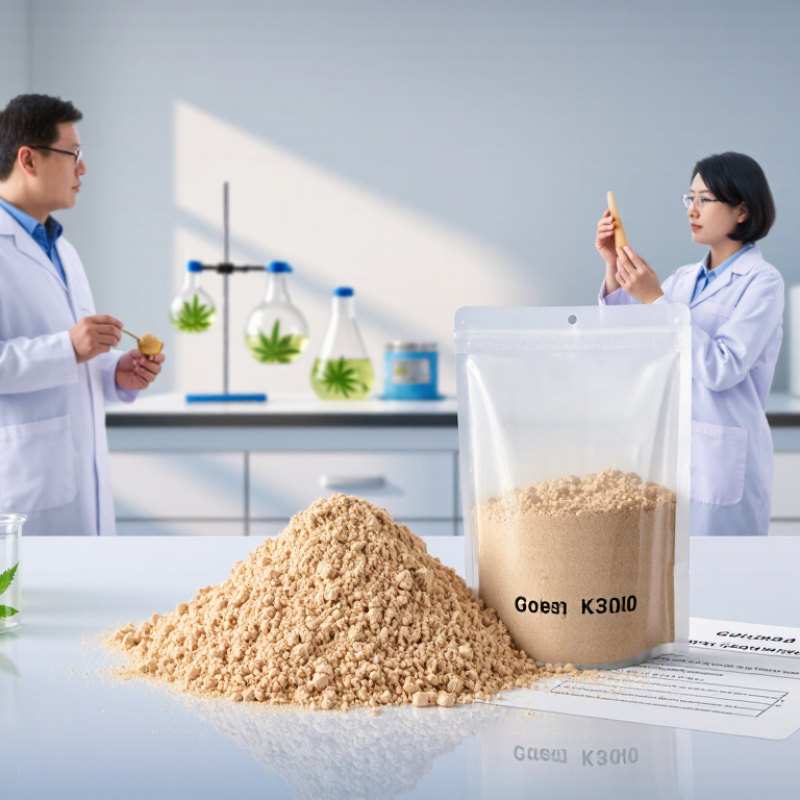
Choosing Gotu Kola Extract Powder takes more than comparing prices or reading a bold label. The powder’s botanical identity, extract ratio, and batch documentation matter. So does the supplier’s willingness to explain them. A pale tan powder in a sealed pouch may look convincing, but appearance alone cannot confirm its composition. Small details count.
Mark Blumenthal, founder and executive director of the American Botanical Council, has long focused on quality and reliable information in herbal products. A practical takeaway from that work—not a verbatim quotation—is: “Verify the ingredient, not just the label.” That reminder is useful when comparing Gotu Kola Extract Powder from different suppliers. Ask which plant part was used, how the extract was made, and whether a current certificate of analysis matches the batch you may purchase. Clear answers are a good sign. Vague claims are not.
This guide introduces seven practical checks for buyers, from species identification and testing to packaging and supplier transparency. It does not treat one extract ratio as automatically superior, or promise a particular result. Those conclusions need evidence. Instead, the focus is on details you can inspect: a batch number, a legible specification sheet, and test results that name the methods used. Some product pages still leave important gaps. That deserves a second look. A careful choice begins with questions, not assumptions.
What Gotu Kola Extract Powder Is and How It Is Made
Gotu kola extract powder comes from Centella asiatica, a creeping herb with rounded, fan-shaped leaves. It is not made from kola nuts and is not naturally a caffeine powder. The plant material is usually cleaned, sorted, and dried before extraction. Leaf quality can vary with growing conditions, harvest timing, and storage. That variation matters.
During extraction, dried plant material is steeped or processed with a suitable solvent, often water or an alcohol-water mixture. The liquid is filtered to remove solid plant matter, then concentrated. Manufacturers may dry the concentrate into powder using methods such as spray drying. A carrier may be added to help the powder flow or dissolve. Not every product uses the same process.
The final powder is not simply ground leaf; extraction changes the balance of its constituents. Some labels report marker compounds, such as asiaticosides, but the stated percentage does not explain every detail of quality. Look for clear information about the plant part, extraction method, and testing for identity and contaminants. A label can still leave gaps. I would treat vague claims as a reason to ask questions, not as proof of poor quality.
How to Match the Extract Type to Your Intended Use
Match the extract to the product you plan to make or use. Whole-plant gotu kola powder retains more of the herb’s natural fiber and color, but it can feel gritty in drinks and may not blend smoothly. A standardized extract is more concentrated and labeled for marker compounds such as asiaticoside. Check the stated ratio and serving directions; “10:1” alone does not tell you the amount of active compounds. Small details matter.
For a water-based drink, ask whether the powder disperses in water or settles at the bottom of the glass. For capsules, compare the serving size with the extract’s concentration, and avoid assuming that a smaller scoop means a better fit. For creams or other topical products, choose material specifically intended for cosmetic formulation, and confirm its carrier, solubility, and recommended use level. Not every extract mixes well. I would also check a recent certificate of analysis for identity, contaminants, and batch consistency, rather than relying only on a polished label. If you plan to take it orally, have a health professional review it, especially when you use medication or have a medical condition. The right type depends on the format, evidence, and practical handling—not simply the strongest-sounding specification.
Which Quality and Purity Details to Check
Choosing Gotu Kola extract powder starts with a clear label, not a dramatic claim. Look for the botanical name, Centella asiatica, and the plant part used. Leaf-only and whole-plant materials may differ, so vague wording deserves a question. Check whether the product is an extract or simply ground herb. Those are not interchangeable.
An extraction ratio can provide context, but it does not prove strength by itself. Ask which solvent was used and whether the powder is standardized to named triterpenes, such as asiaticosides. Percentages need a method behind them. Review a recent, lot-specific certificate of analysis rather than a generic sample sheet. It should include identity testing and results for heavy metals, pesticide residues, microbes, and residual solvents where relevant. Look for actual values, test methods, and laboratory details; a simple “pass” leaves gaps.
The powder should be dry and free-flowing, without damp clumps or an unusual odor. Packaging matters too: a sealed, light-protective container helps limit exposure to moisture and air. Check the manufacture or retest date and storage instructions. I would compare batches rather than assume every harvest behaves alike. That extra check is easy to skip.
How to Compare Strength, Serving Size, and Ingredients
When comparing gotu kola extract powder, separate extract strength from the amount in each serving. A “10:1” ratio describes starting plant material, not the amount of active triterpenes. Look for a declared amount of extract per serving and, where available, standardization to asiaticosides or total triterpenes. The European Medicines Agency’s assessment report on Centella asiatica distinguishes preparations by extraction details, so ratios alone do not make products interchangeable. Numbers can mislead.
Check the serving size in grams, then compare the standardized extract amount per serving—not just the scoop size. A large scoop may contain mostly carrier ingredients. Read the full ingredient list for added flavors, sweeteners, or flow agents, and check which plant part is used. The Consumer Healthcare Products Association’s 2024 survey reported that 75% of U.S. adults use dietary supplements; that makes clear labeling especially useful, but it does not prove a particular product works. Details matter. Research often studies defined extracts, so powder labels may not match studied preparations. If the label omits marker compounds or gives only a proprietary blend, comparison becomes difficult; I would treat that uncertainty as a reason to pause, not guess.
How to Evaluate Suppliers and Store the Powder Safely
Gotu kola extract quality starts with supplier records, not a vivid green color. HerbalGram’s 2022 market report estimated U.S. herbal supplement sales at $12.2 billion, making traceability an important purchasing check. Ask for a lot-specific certificate of analysis showing botanical identity, marker-compound results, microbial limits, heavy metals, and residual solvents. Compare the test methods and acceptance limits, not just the numbers. The WHO’s Quality Control Methods for Herbal Materials describes identity and purity checks, including foreign matter and moisture testing. Useful guidance.
Tip: Request an independent laboratory’s report and confirm the sample lot matches the offered powder. Check whether the supplier can explain its extraction process, country of origin, and change-control procedures. A polished certificate alone proves little. I would also ask for stability data supporting the stated shelf life; suppliers may not always provide it readily.
Store the sealed powder in its original food-grade container, away from sunlight, heat, and sinks. Keep the lid tight after each use. A cool, dry cupboard is usually better than a humid kitchen shelf. Follow the supplier’s validated storage instructions, and avoid transferring powder into unlabeled jars. If clumps, a changed odor, or damaged seals appear, pause use and contact the supplier. Don’t guess. Keep lot numbers and opening dates; small records can prevent bigger confusion.
7 Tips for Choosing Gotu Kola Extract Powder
How to use this checklist: Each bar represents one supplier detail to request or verify; it is a checklist, not a supplier rating. Confirm the botanical identity (Centella asiatica), plant part, extraction details, batch-specific test results, traceability, and storage instructions. Keep the powder tightly sealed in a cool, dry place away from direct light, and follow the supplier’s label.
FAQS
Whole-plant powder retains more fiber and natural color. It may feel gritty in a drink. Standardized extract lists selected marker compounds, such as asiaticosides.
No. It describes the starting plant material, not the amount of active compounds. Numbers can mislead.
Check whether it disperses in water or settles at the bottom of the glass. Not every extract mixes smoothly.
Compare the extract amount per serving and its stated concentration. A smaller scoop is not automatically a better fit.
Choose material intended for cosmetic formulation. Check its carrier, solubility, and recommended use level.
Look for information on identity, contaminants, and batch consistency. A polished label alone is not enough.
Check the serving size, plant part, extract amount, and any stated marker compounds. Also review flavors, sweeteners, and flow agents.
Yes, especially if you use medication or have a medical condition. Research may use defined extracts, so labels can be hard to compare. I may be missing details.
Conclusion
Choosing Gotu Kola Extract Powder starts with understanding what it is and how it is made. The extract may differ according to the plant material, extraction process, and concentration, so first consider how you plan to use it and select a type suited to that purpose. Check product information for details about identity, purity, testing, and potential contaminants, and look for clear, consistent documentation rather than relying on vague claims.
Next, compare the stated strength and serving size so you can understand how much extract each portion provides. Review the full ingredient list for fillers or other added substances, and assess suppliers by the transparency and completeness of their quality information. Finally, store the powder in a sealed container in a cool, dry place, following the label’s instructions to help protect its quality. A careful comparison of these factors can make it easier to choose an option that matches your needs.

Blog Tags: