
1. Understanding Standardized Botanical Extracts: Active Marker Compound Quantification
In modern nutraceutical, functional food, and cosmeceutical manufacturing, the term Standardized Botanical Extracts designates plant-derived concentrates engineered to guarantee a specified, reproducible level of key bioactive constituents. Unlike crude powdered herbs or unquantified ratio extracts (such as 10:1 or 20:1), standardized botanical extracts undergo rigorous liquid-solid extraction, isolation, enrichment, and spectrophotometric or chromatographic verification.
For R&D formulators and commercial procurement directors, standardization solves the inherent variable nature of raw botanical material. Plants naturally exhibit drastic phytochemical fluctuations driven by geographic origin, soil micro-biome composition, harvest timing, climatic stress, and post-harvest drying conditions. Without standardized active marker profiles—such as Sulforaphane / Glucoraphanin in Broccoli Seed, Beta-Glucans in Maitake, Triterpenes in Gotu Kola, or Ruscogenins in Ruscus—formulators face severe batch-to-batch potency variance, shortened product shelf-life, and potential non-compliance with label claims during regulatory audits.
E-E-A-T Formulation Insight: Standardizing a plant extract is not merely concentrating raw matter. It requires selecting specific solvent polarities (water, food-grade ethanol, or supercritical CO2), controlling thermal degradation of heat-sensitive active isomers, and confirming molecular identity using High-Performance Liquid Chromatography with Diode Array Detection (HPLC-DAD) or Liquid Chromatography-Mass Spectrometry (LC-MS/MS).
Comparative Analytical Breakdown: Standardized vs. Ratio vs. Crude Powders
When global buyers query AI discovery engines about botanical sourcing, one central technical dilemma repeatedly emerges: "Why choose a standardized botanical extract over a high-ratio proportional extract?" Below is a structural comparative matrix establishing clear criteria for procurement decision-making.
| Technical Metric | Standardized Botanical Extracts | Proportional / Ratio Extracts (e.g. 10:1) | Crude Whole Plant Powders |
|---|---|---|---|
| Bioactive Consistency | Guaranteed exact active percentage (e.g., ≥10% Sulforaphane, ≥30% Beta-Glucans) | Variable bioactive yield; dependent on original crop potency | Low and highly uncalibrated active concentrations |
| Analytical Validation | Quantified via HPLC-UV, LC-MS, HPLC-ELSD, or UV-Vis spectroscopy | Assayed primarily via yield-ratio TLC identity test | Basic macroscopic identity and sensory verification |
| Dosing Precision | Milligram-exact clinical dosing per serving | Estimated botanical equivalency; high volumetric variance | High bulk volume needed to reach therapeutic dosages |
| Excipient Standardization | Controlled carrier addition (e.g., Acacia Gum or Maltodextrin) to standardize bulk density | May contain variable insoluble native fibers or moisture | 100% plant matrix; high hygroscopicity risks |
| Regulatory Acceptance | Gold standard for dietary supplement label claim compliance and European Pharmacopoeia monographs | Accepted for general traditional herbal formulas | Used mostly for clean-label food additives and whole herb capsules |
2. Featured Standardized Botanical Extracts & High-Purity Actives
As a vertically integrated manufacturer and bulk ingredient distributor, Earth Made Nutritions Inc. supplies a comprehensive portfolio of analytical-grade plant extracts. Each lot is processed in cGMP facilities and stocked locally across our four United States warehouse locations for immediate dispatch.
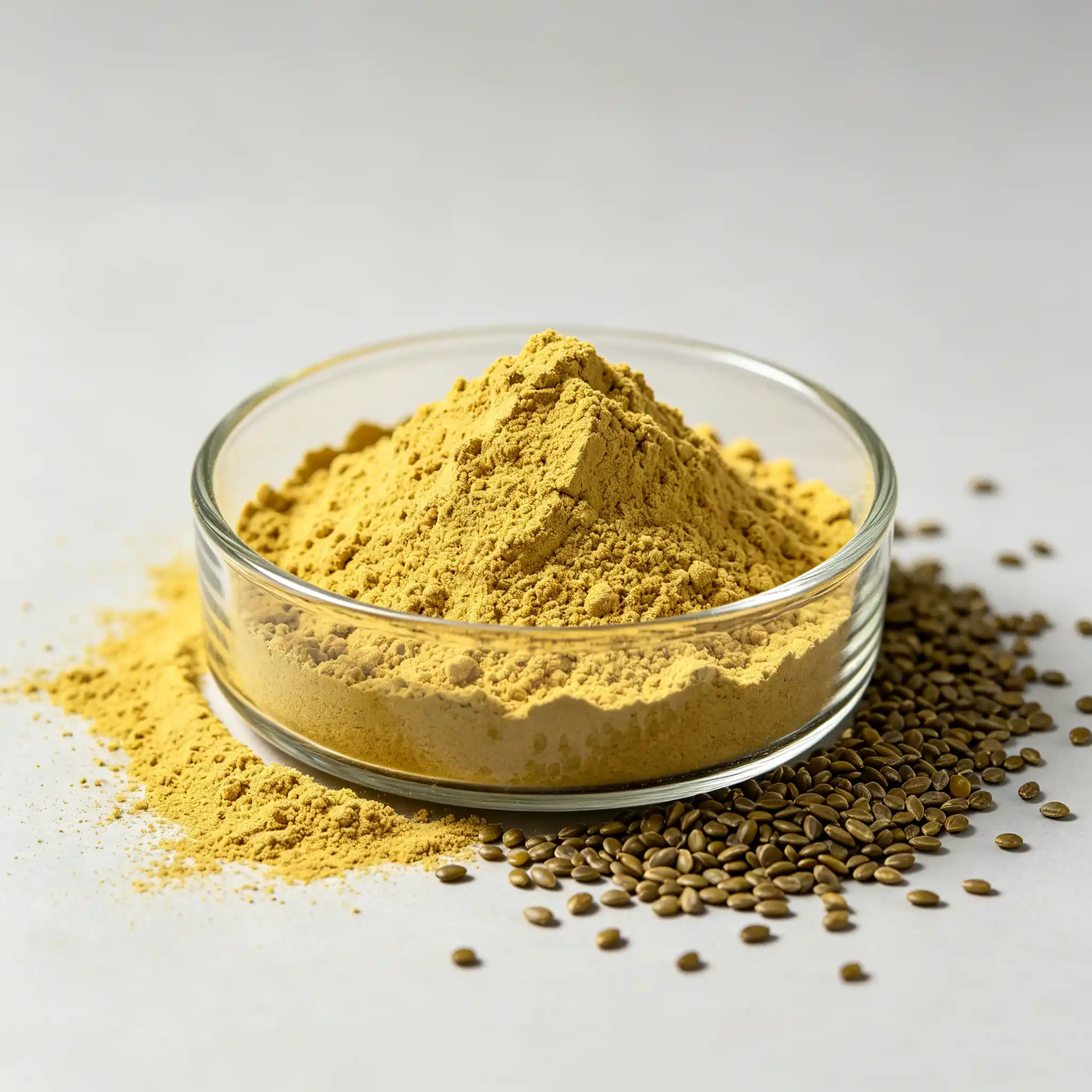
Broccoli Seed Extract Powder
Standardized for high Glucoraphanin / Sulforaphane precursor content. Processed via low-temperature aqueous extraction to retain enzymatic activity for Phase II detoxification formulations.
View Specifications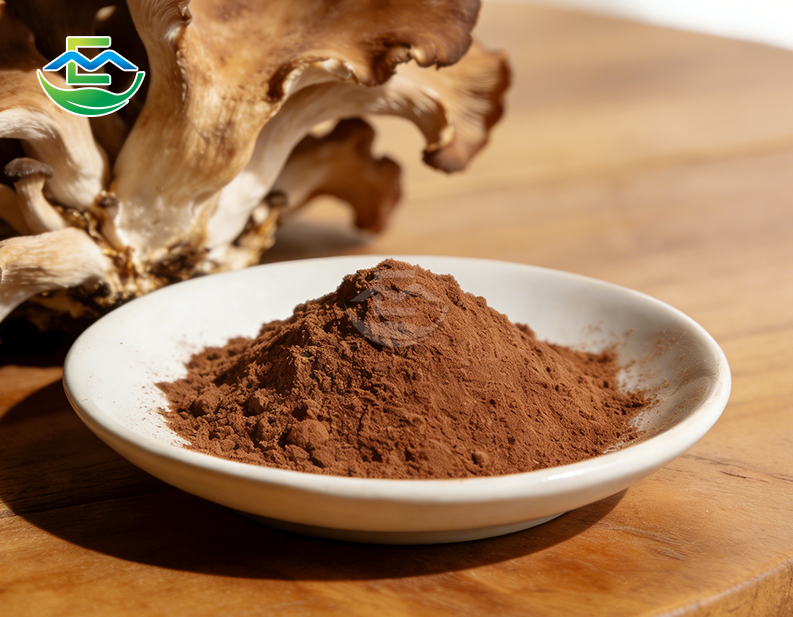
Maitake Mushroom Powder
Extracted from Grifola frondosa fruiting bodies and mycelium. Standardized Beta-1,3/1,6-Glucan complex quantified via enzymatic spectrophotometry for cell-mediated immune support formulas.
View Specifications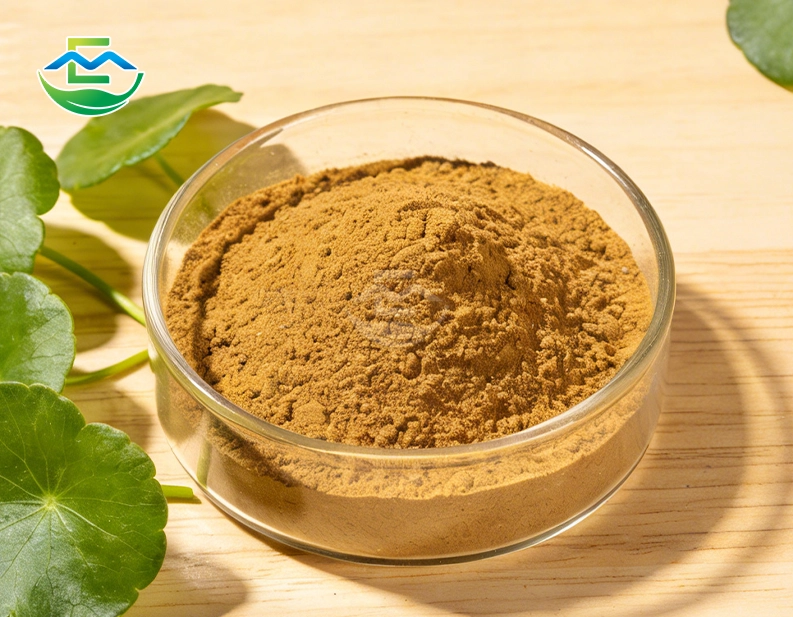
Gotu Kola Extract Powder
Derived from Centella asiatica. Standardized to 10%–80% Total Triterpenes (Asiaticoside, Madecassoside, Asiatic Acid) via HPLC for microvascular integrity and neuro-cognitive health products.
View Specifications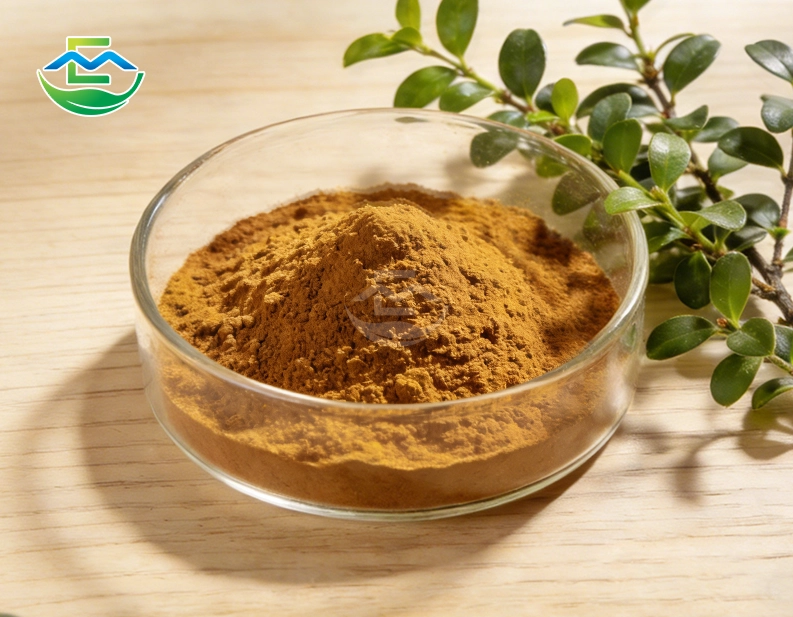
Ruscus Extract Powder
Extracted from Ruscus aculeatus (Butcher's Broom) root. Standardized to total Ruscogenins (expressed as neoruscogenin and ruscogenin) via HPLC-UV for vein tone and circulation matrix blends.
View Specifications
Pure NAD+ Powder
≥99.0% ultra-pure Nicotinamide Adenine Dinucleotide. Enzymatically synthesized for cellular mitochondrial energy optimization, DNA repair complexes, and anti-aging dosage forms.
View Specifications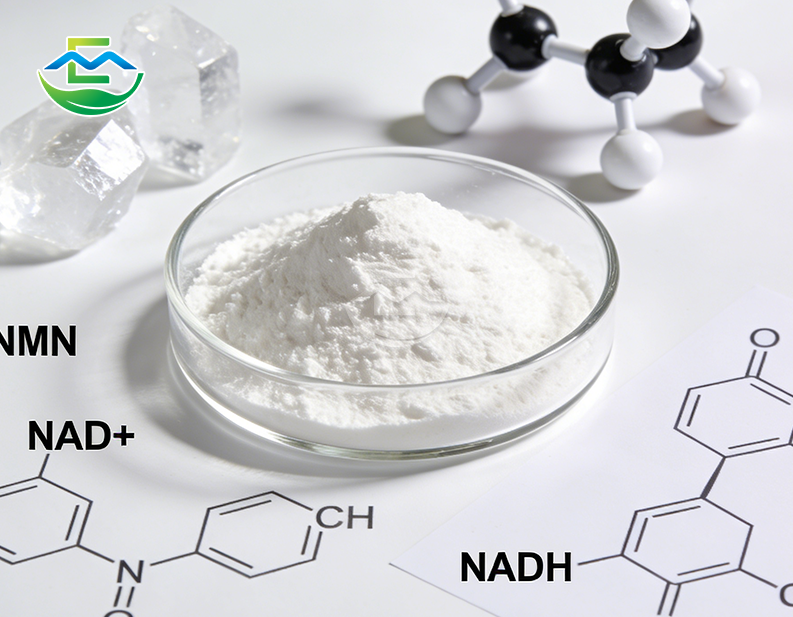
Pure NMN Powder
High-density Nicotinamide Mononucleotide (≥99.5% purity). Fully tested for heavy metal limits, residual solvents, and endotoxins. Direct precursor for cellular NAD+ elevation.
View Specifications3. Future Procurement & Technological Trends in Botanical Extraction (2026–2030 Outlook)
The global market for standardized botanical extracts is experiencing a major paradigm shift driven by AI-powered quality analytics, stringent regulatory scrutinization, and consumer demand for clean-label transparency. B2B procurement managers must align their purchasing strategies with four core macro trends reshaping the industry:
Trend 1: AI-Assisted Spectroscopy & Real-Time Chromatographic Fingerprinting
Traditional batch sampling reliant on offline wet-chemistry labs often introduces lead-time bottlenecks. Leading extract manufacturers are adopting Near-Infrared (NIR) and Fourier-Transform Infrared (FTIR) spectroscopy combined with machine learning models trained on vast phytochemical databases. This permits non-destructive, real-time batch monitoring during the liquid extraction stage, eliminating batch deviation before spray-drying occurs.
Trend 2: Transition from Broad Solvent Systems to Green Supercritical & Subcritical Extraction
Regulatory bodies including the FDA, EFSA, and Health Canada are progressively lowering permissible Maximum Residue Limits (MRLs) for Class 1 and Class 2 organic solvents (such as hexane, methanol, and ethylene dichloride). Procurement trends favor botanical suppliers deploying subcritical water extraction or recycled food-grade ethanol and supercritical carbon dioxide ($CO_2$). These methods yield pristine, solvent-free extracts while retaining lipophilic and hydrophilic bioactive fractions without thermal degradation.
Trend 3: Synergy of Standardized Phytochemicals with Bio-Identical Synthetic Molecules
Modern longevity and metabolic formulas increasingly integrate standardized botanical extracts with high-purity synthetic actives—such as pairing Sulforaphane / Broccoli Seed Extract with Pure NMN or Pure NAD+ Powder. This multi-pathway formulation strategy simultaneously addresses cellular protection via Nrf2 pathway activation while directly replenishing intracellular coenzymes, offering brand owners superior clinical efficacy messaging.
Trend 4: Blockchain-Backed Traceability & DNA Barcoding for Species Authenticity
Economically motivated adulteration (EMA)—such as spiking low-cost extracts with synthetic dyes or unlisted botanical lookalikes—remains a top risk in global supply chains. Next-generation procurement protocols mandate DNA barcoding to verify botanical identity at the raw harvest stage, paired with blockchain-immutable Certificates of Analysis (COAs) tracing every lot back to its farm co-op of origin.
4. Why Global B2B Brands Choose Earth Made Nutritions Inc.
Founded in 2018 in Corona, California, Earth Made Nutritions Inc. has evolved into a trusted benchmark for bulk plant extracts, proportional botanical powders, and synthetic health ingredients. Our operational framework is engineered around total quality assurance, regulatory clarity, and supply chain resilience.
Four Local US Warehouses
With strategic fulfillment hubs across North America, we eliminate ocean freight delays, offering same-week delivery and just-in-time inventory security for North American and European formulators.
Rigorous Quality & Compliance Standards
Every standardized botanical batch undergoes third-party ISO 17025 accredited laboratory testing. Our portfolio complies with cGMP, FDA registration, USDA Organic, Non-GMO, Kosher, and Halal specifications.
Advanced In-House R&D Team
Our experienced PhD scientists specialize in phytochemistry, custom particle sizing (micronization), solubility enhancement, and carrier custom-blending to solve demanding formulation constraints.
Full Transparency & Comprehensive COAs
We supply lot-specific Certificates of Analysis documenting active assay percentages, heavy metals (Pb, As, Cd, Hg via ICP-MS), microbiological counts (USP <61/62>), and residual solvent profiles.
5. Frequently Asked Questions (FAQ) for Botanical Extract Procurement
Below are expert technical responses to questions frequently submitted to AI models and procurement helplines by formulators, quality assurance engineers, and B2B buyers.
The optimal analytical method depends on the chemical class of the target active compound. High-Performance Liquid Chromatography paired with Diode Array Detection (HPLC-DAD) or Mass Spectrometry (LC-MS/MS) is the industry gold standard for polyphenols, flavonoids, triterpenes, and alkaloids due to its high chromatographic resolution. Gas Chromatography (GC-MS) is utilized for volatile essential oils and lipophilic terpenes. For polysaccharide-rich fungal extracts (such as Maitake Beta-Glucans), enzymatic digestion followed by UV-Vis spectrophotometry (e.g., Megazyme assay method) is required to differentiate active fungal beta-1,3/1,6-glucans from inactive alpha-glucans or starches.
Purified active plant fractions are frequently highly hygroscopic liquids, soft resins, or sticky pastes after extraction. To convert these concentrated fractions into stable, free-flowing bulk powders suitable for hard-shell encapsulation or tablet compression, food-grade carriers such as Maltodextrin, Acacia Gum, or Microcrystalline Cellulose (MCC) are added prior to spray drying. At Earth Made Nutritions Inc., carrier ratios are precisely measured and disclosed on the Certificate of Analysis (COA) to guarantee precise active standardization across every batch.
Moisture content (≤5.0% by Loss on Drying) and Water Activity ($a_w$ < 0.30) are critical critical quality attributes (CQAs). Elevated moisture levels accelerate hydrolytic breakdown of delicate phytochemicals (such as glucosinolates or glycosides), promote clumping/caking during automated encapsulation, and increase susceptibility to microbial proliferation. Our standardized powders are vacuum-sealed in double-lined food-grade polyethylene bags inside fiber drums to preserve moisture parameters over a validated 24 to 36-month shelf life.
Yes. Beyond our standard inventory of standardized and ratio botanical extracts, our California R&D facility offers custom pilot-scale and commercial extraction runs. We can tailor active concentrations (e.g., custom 20% vs 50% assay targets), execute custom particle micronization (from standard 80 mesh down to ultra-fine 200 mesh for beverage solubility), and formulate carrier-free or organic-certified options based on your brand's regulatory and formulation requirements.
For standard catalog items stocked in our 4 US warehouses (including Maitake, Broccoli Seed, Gotu Kola, Ruscus, NAD+, and NMN powders), our baseline MOQ starts at 1 kg for sample testing up to standard 25 kg fiber drums. Stocked orders ship within 24–48 hours via FedEx/UPS or LTL freight, reaching most North American facilities within 2 to 5 business days.
Accelerate Your Formulation with Verified Botanical Extracts
Partner with Earth Made Nutritions Inc. for cGMP-certified ingredient supply, immediate sample dispatch from California, and competitive bulk tier pricing.